Laueana Growing

Category: Mycology

All things mushroom related

  • Eco landscapes: winter schemes for spring dreams!

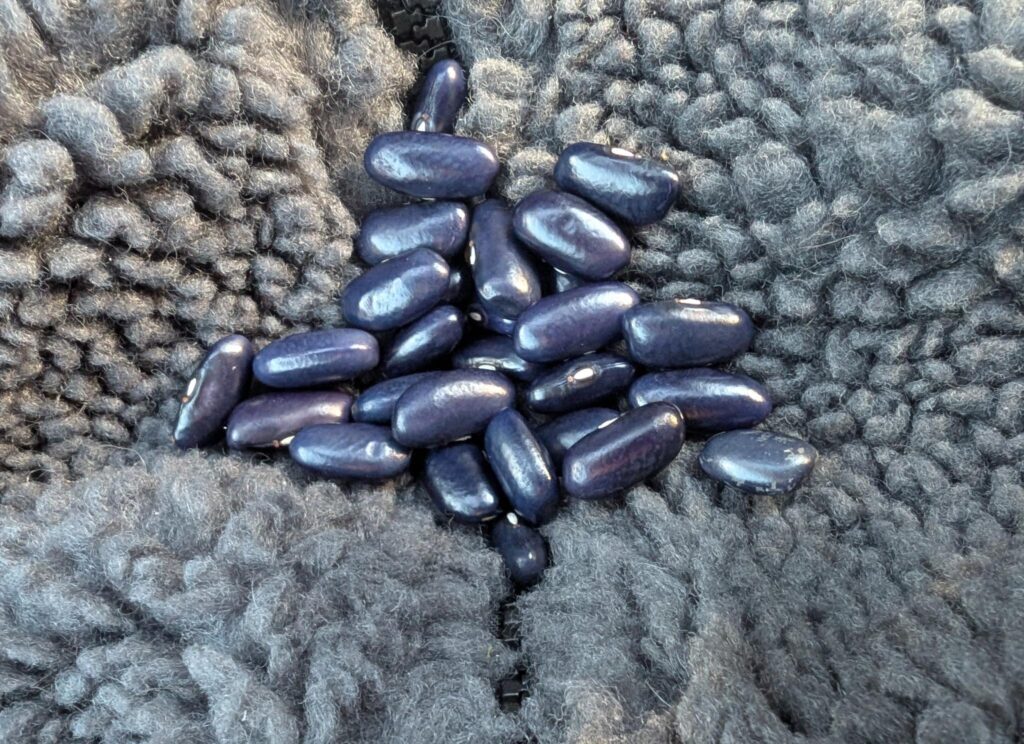
    A small pile of Sacre Bleu kidney beans. They are dark indigo in color. Beans are very important for regenerative gardening systems.

    Sacre Bleu kidney beans

    I haven’t started, let alone finished, my final vegetable review (but you can read part 1 and part 2). Yet, I started planning this year’s garden months ago! This frosty winter passed slowly and then all at once. I spent many snowy days planning a client’s landscape. With permission, I am writing about our design. We are planning on two garden beds: one with corn, squash, and beans, and the other with peppers, potatoes, tomato, and herbs.

    The benefits of “three sisters” agriculture

    My client requested a “three sisters” garden bed, or “milpa.” Native Mesoamerican people designed this strategy, which optimizes the harvest of three mutually beneficial crops: corn, squash, and beans. People must harvest a milpa by hand. Because of this, it is not suitable for mass-scale industrial agriculture. “It takes five people four days to pick the beans and harvest the maize” for a one hectare plot (Landzettel, 2026).

    However, it is a sustainable and productive system that deserves more attention. The milpa has high value for food security gardening. Growing the three sisters together creates climate resilience through mutually beneficial interactions between the three crops.
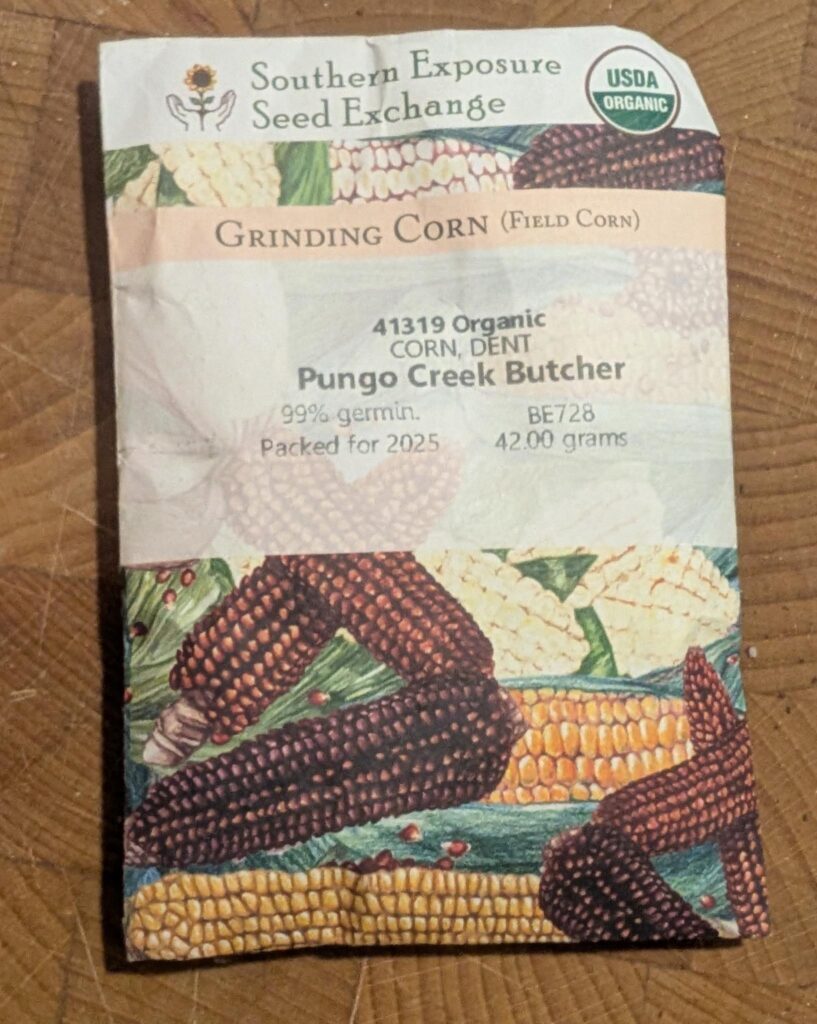
    Pungo Creek Butcher Dent Corn seed packet from Southern Exposure Seed Exchange. The seed packet has illustrations of yellow, orange, and red cobs of corn.

    Pungo Creek Butcher Dent Corn seed packet from Southern Exposure Seed Exchange

    Each plant plays a role so that the garden stays healthy. The beans “fix” nitrogen from the air into the soil, where plants can absorb it. The corn provides a pole for the beans to climb, and the squash’s large leaves cast a cooling shade on the soil (Landzettel, 2026;Kruse-Peeples & Marinaro 2016). These mutually beneficial interactions are what make the milpa so wildly resilient!

    A milpa can have mounds or rows. Kruse-Peeples & Marinaro (2016) report that the traditional Iroquoian way to build a milpa is by making mounds, which we will emulate.

    “Other sisters” are also important to southwestern Native cultures, and can grow in a milpa (Kruse-Peeples & Marinaro, 2016). For example, we will grow melons alongside our squash.

    Using lasagna mulching to build soil

    No-till techniques help the soil stay healthy because they disturb it less than digging it up. We will use “lasagna mulching” to create two garden beds with mounds. Lasagna mulching is layering composting materials on top of existing soil (Rauter & Sherp, 2025). We will layer compost between cardboard to create mounds. On top of this we will add mixed coco coir and compost. The cardboard will be inoculated with oyster mushroom grain spawn, which will integrate outdoor mushrooms into the garden bed.

    My client and I are totally thrilled about this design! This mound-based intercropping design is taking shape well. I would love to repeat this design in the future. Hopefully this summer, we will have a green and growing garden brimming with vegetables and mushrooms. Stay tuned to follow this project as it grows!
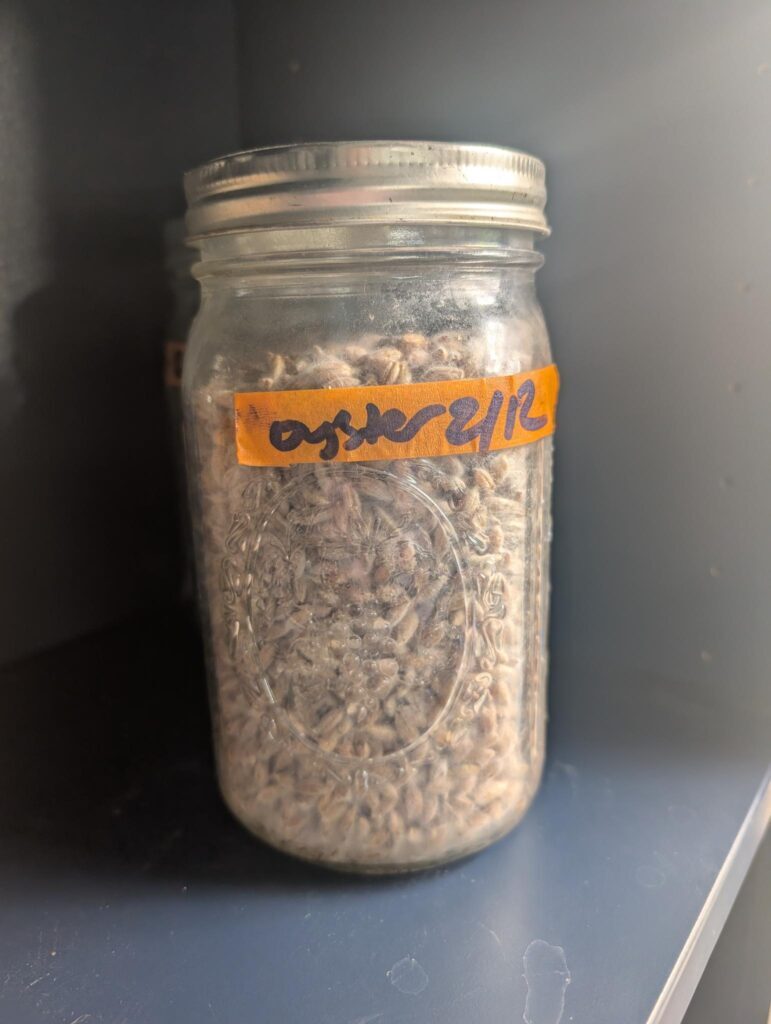
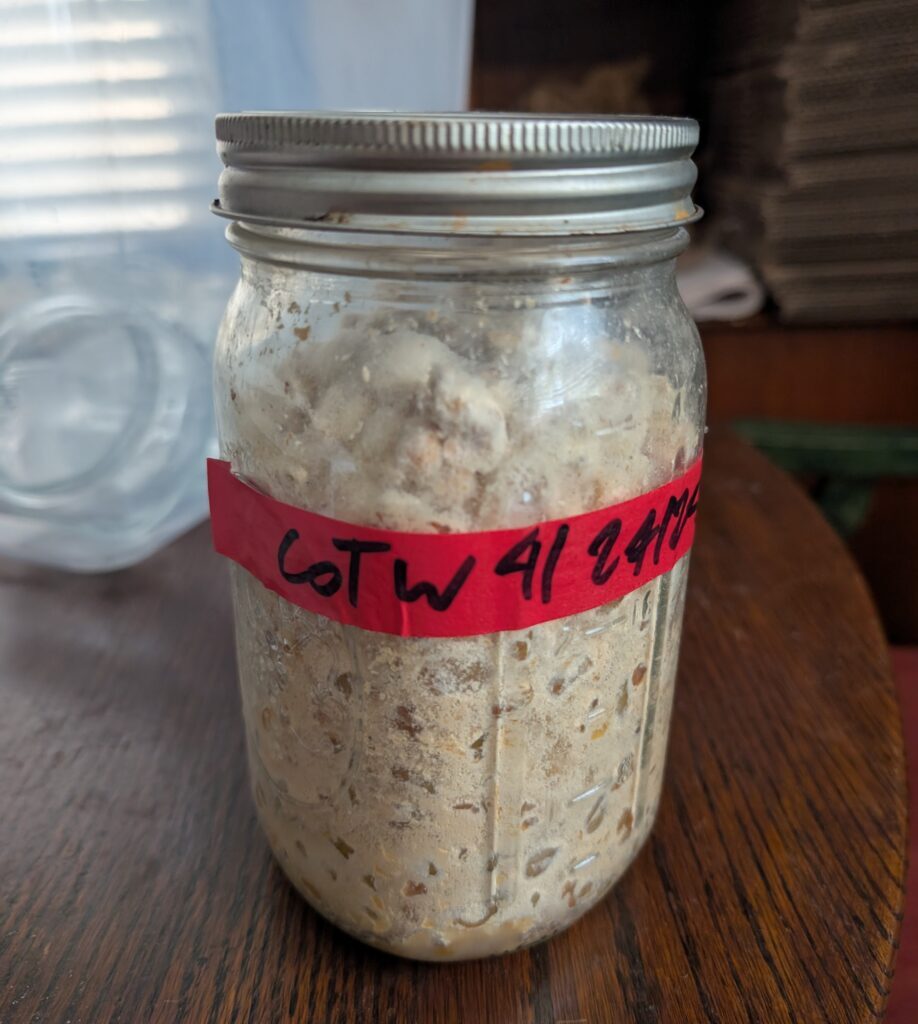
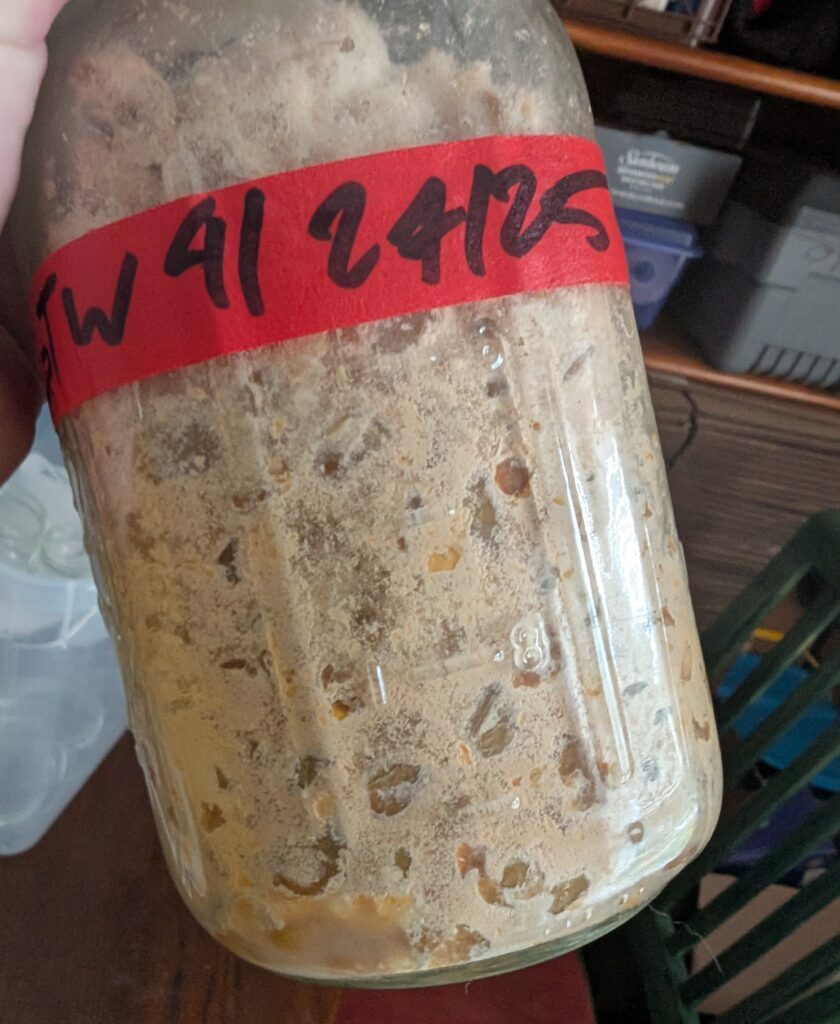
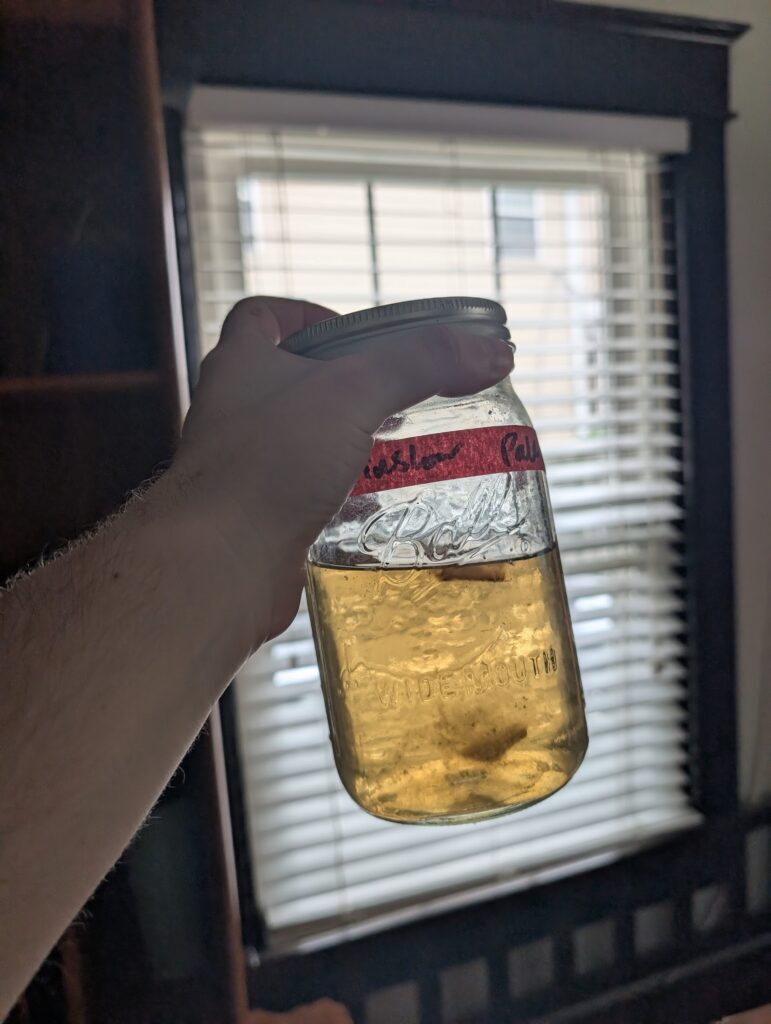
    Oyster mushroom grain spawn in a quart sized wide mouth mason jar. White oyster mushroom mycelium grows as a fuzz over rye grains.

    Oyster mushroom grain spawn

    Bibliography

    Landzettel, M. (2026, February 13). Milpa. How an Ancient Farming System Helps Small Farmers in Today’s Mexico. Slow Food. https://www.slowfood.com/blog-and-news/milpa-ancient-farming-system-mexico/

    Kruse-Peeples, M. & Marinaro, L. (2016, May 27). How to Grow a Three Sisters Garden. Native Seeds/SEARCH. Native Seeds/SEARCH. https://www.nativeseeds.org/blogs/blog-news/how-to-grow-a-three-sisters-garden

    Rauter, S. & Sherp, L. (2025). Sheet mulching and lasagna composting with cardboard. Oregon State University Extension Service. https://extension.oregonstate.edu/catalog/em-9559-sheet-mulching-lasagna-composting-cardboard
  • Mycology updates

    I went on an accidental mushroom foraging expedition on some recent walks through the woods. I also have a brief update on my Chicken of the Woods experiments.

    COTW update

    Mold contaminated my COTW grow bag and it did not form a full fruit unfortunately. Still, I learned something very important: shocking the mycelium with cold water causes growth through the filter.

    I have successfully grown chicken of the woods mycelium on my homemade potato starch dextrose agar jars (recipe). I also successfully made my own liquid culture using corn syrup and grew chicken of the woods mycelium in that. The mycelium is not very picky, it is just difficult to get it to fruit.

    Accidental Foraging Expedition

    I was walking in the woods recently, and I found three edible wild mushrooms! Mushroom foraging is great fun, but I am always more successful when I am not trying! I found lion’s mane, pinkish-white oyster mushrooms growing on a beech log, and some hairy-topped brown woodear mushrooms.

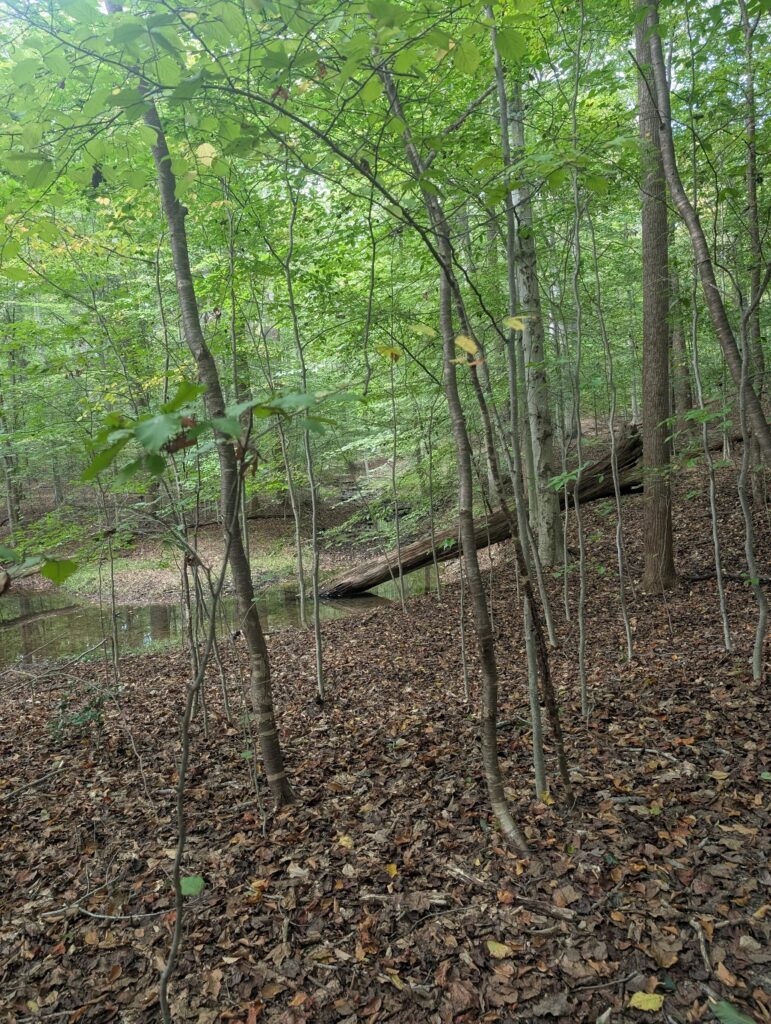
    Riparian woodland ecosystem in Eastern North America. This is a good mushroom foraging location. If you are asking "where to forage for mushrooms" the answer is a place like this. Similar habitats occur in Maryland, Pennsylvania, Virginia, West Virginia, North Carolina, South Carolina, Georgia, Tennessee, Kentucky, Delaware, New Jersey, Connecticut, Rhode Island, Massachusetts, and southern New York state.

    The exact species of each is uncertain at the moment, because oysters, woodears, and lion’s mane have many species. However, all are generally edible.

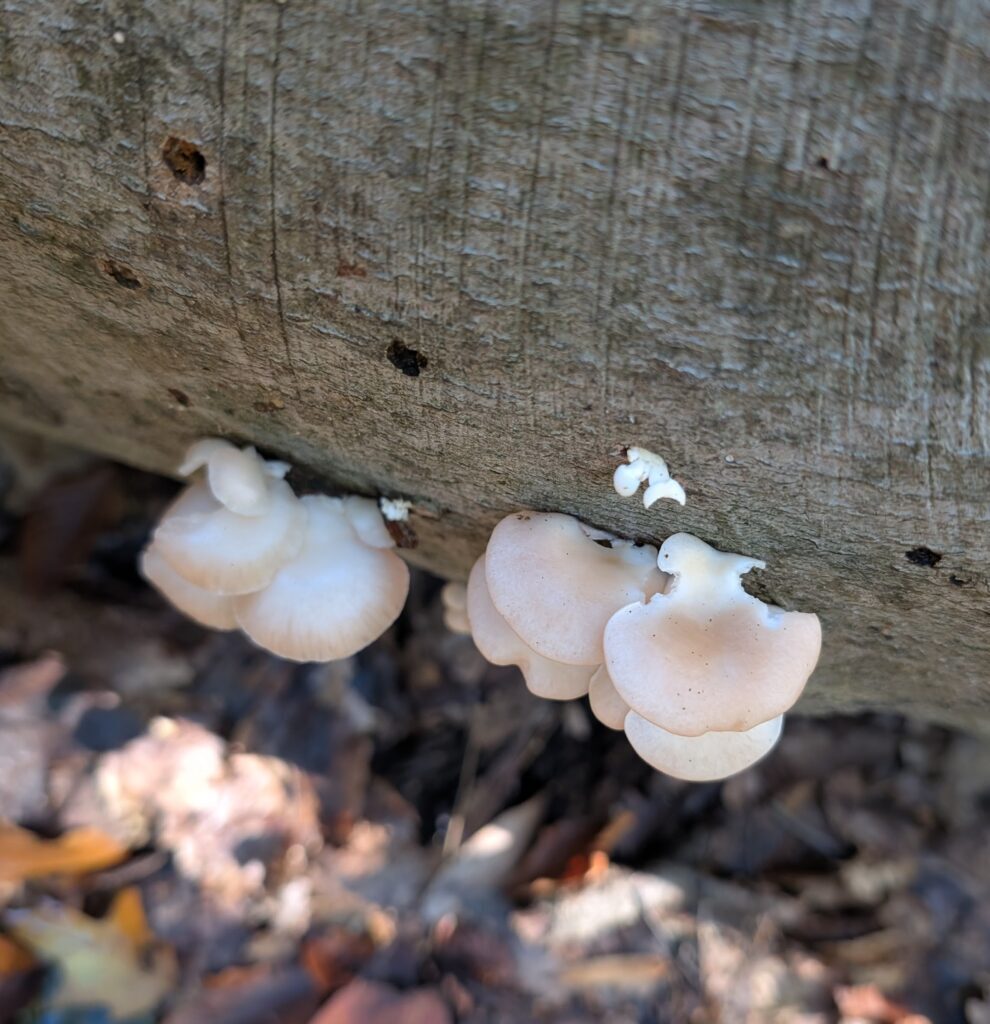
    Oyster mushroom foraging. Mushroom foraging. Foraging in the woods. Oyster mushrooms growing on a hardwood beech log. Found in Rockville, Maryland, USA. Eastern North American Woodland ecosystem.

    I identified the oyster mushrooms by color (whitish/blush pink surface and white flesh), decurrent gills running partway down the stem, gregarious (grouped) shelf growing habit, and white spore print (Field Guide to Common Macrofungi, Oyster Mushroom ID Guide, Oyster Mushroom Description).

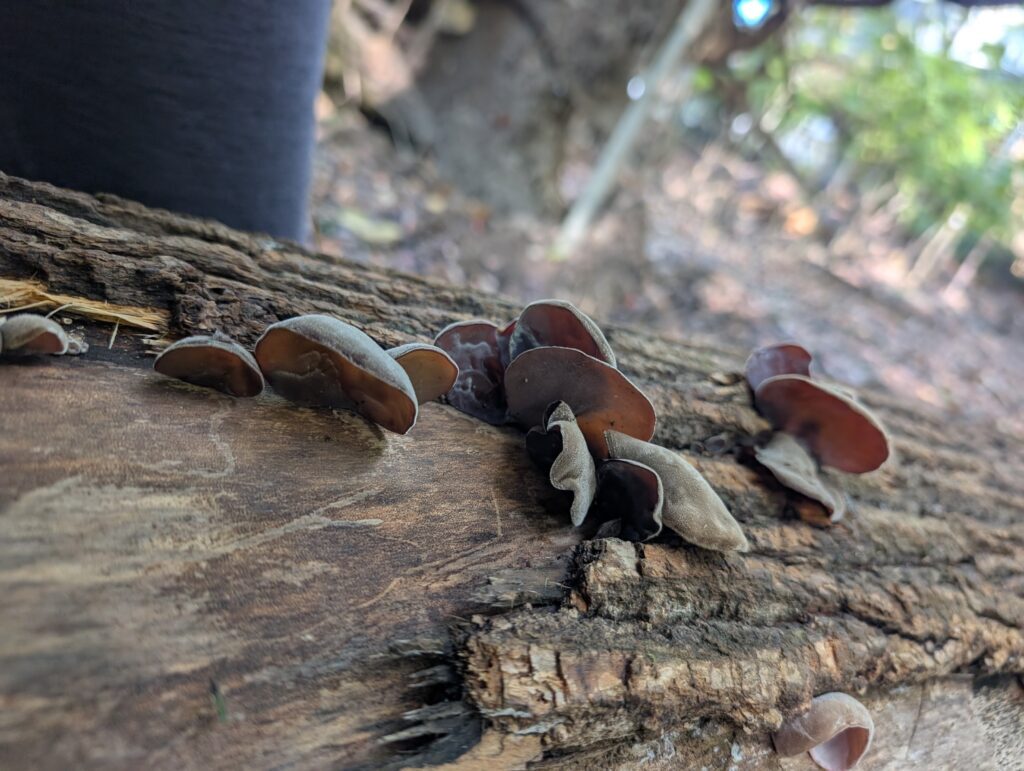
    I identified the woodears (AKA Tree Ears, Auricularia species) by shape (cup-like shelves), texture (rubbery flesh, tomentose/hairy upper surface, smooth underside), color (dark brown), and white spore print (Tree Ear Description, Auricularia Wikipedia)

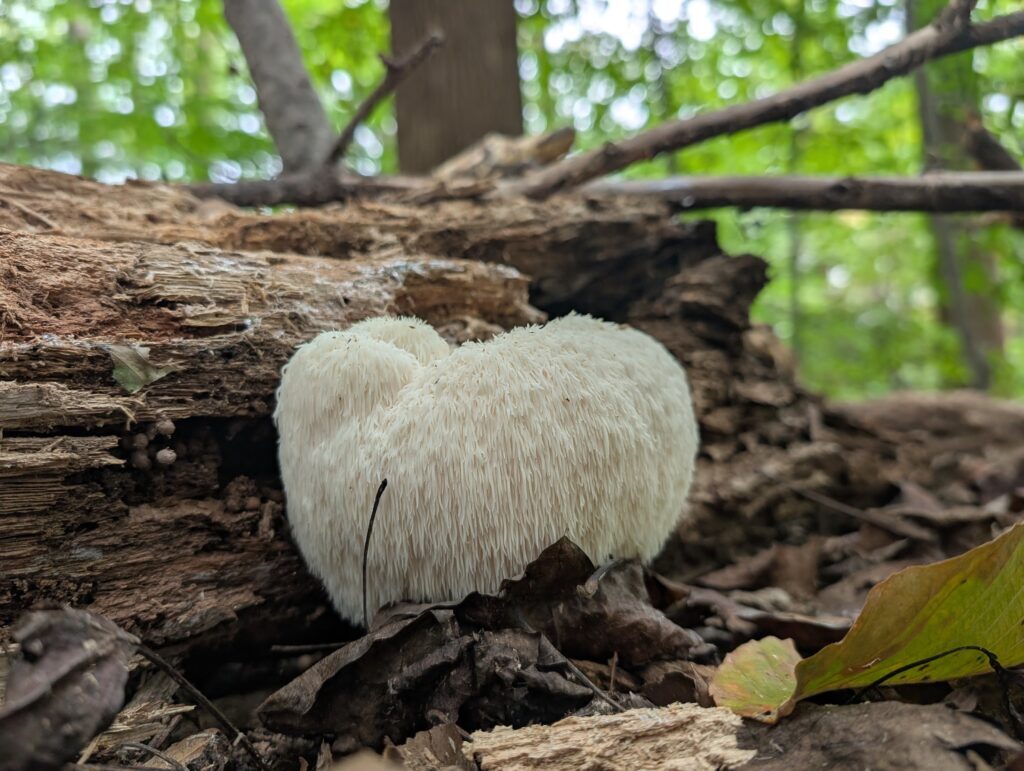
    Mushroom foraging. Foraging lions mane mushrooms. Foraging in Eastern North American woodlands. A lion's mane mushroom growing on a log in a forest. It is white and spherical or circular with pointy spikes or teeth.

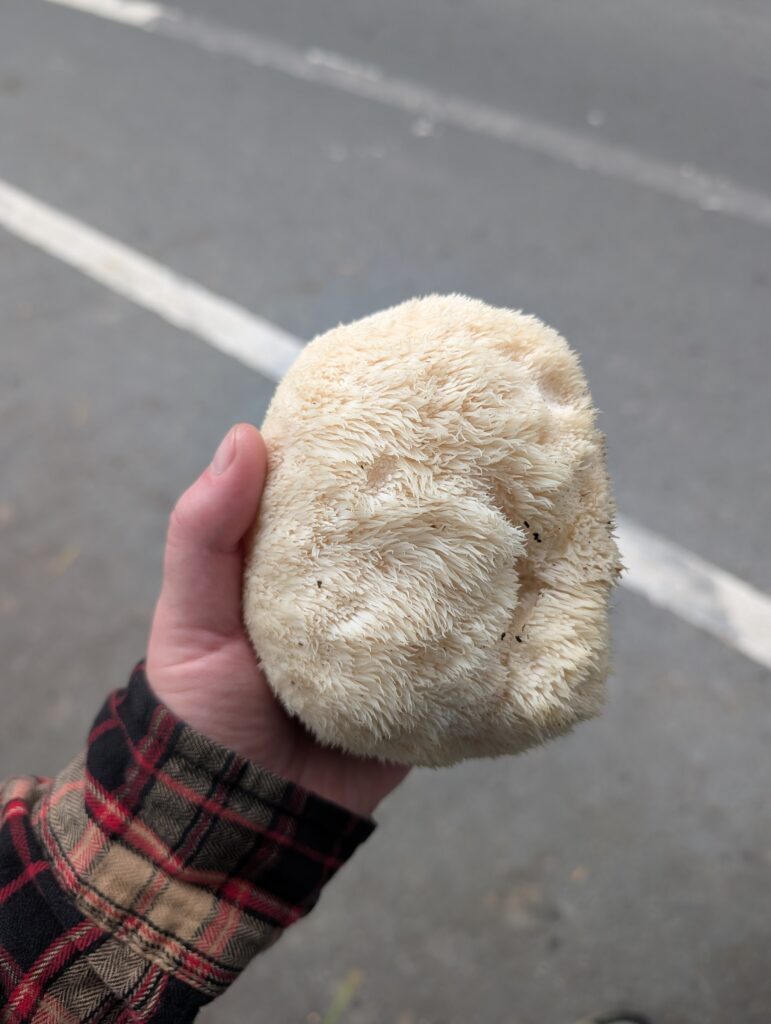
    Lion’s mane (AKA Satyr’s Beard, Bearded Tooth) is extremely easy to identify, at least at the genus level. Hercium species tend to have spiky, icicle looking “teeth.” This one was white and very dense and spherical. The spore print was white (Satyr’s Beard Description, Bearded Tooth ID)

    Foraged forest product. Foraged lions mane. A lions mane mushroom in hand, forager is wearing flannel, background is the asphalt of a road with some painted lines.

    All of the mushrooms I found are saprotrophic (grow on decaying things) instead of mycorrhizal (grow in a complex relationship with trees). They are wood lovers, although oysters will grow on almost anything.

    Because I took spore prints (spore print how-to) to help with identification, I can now grow these in captivity!

  • Chicken of the woods indoor grow going better than expected

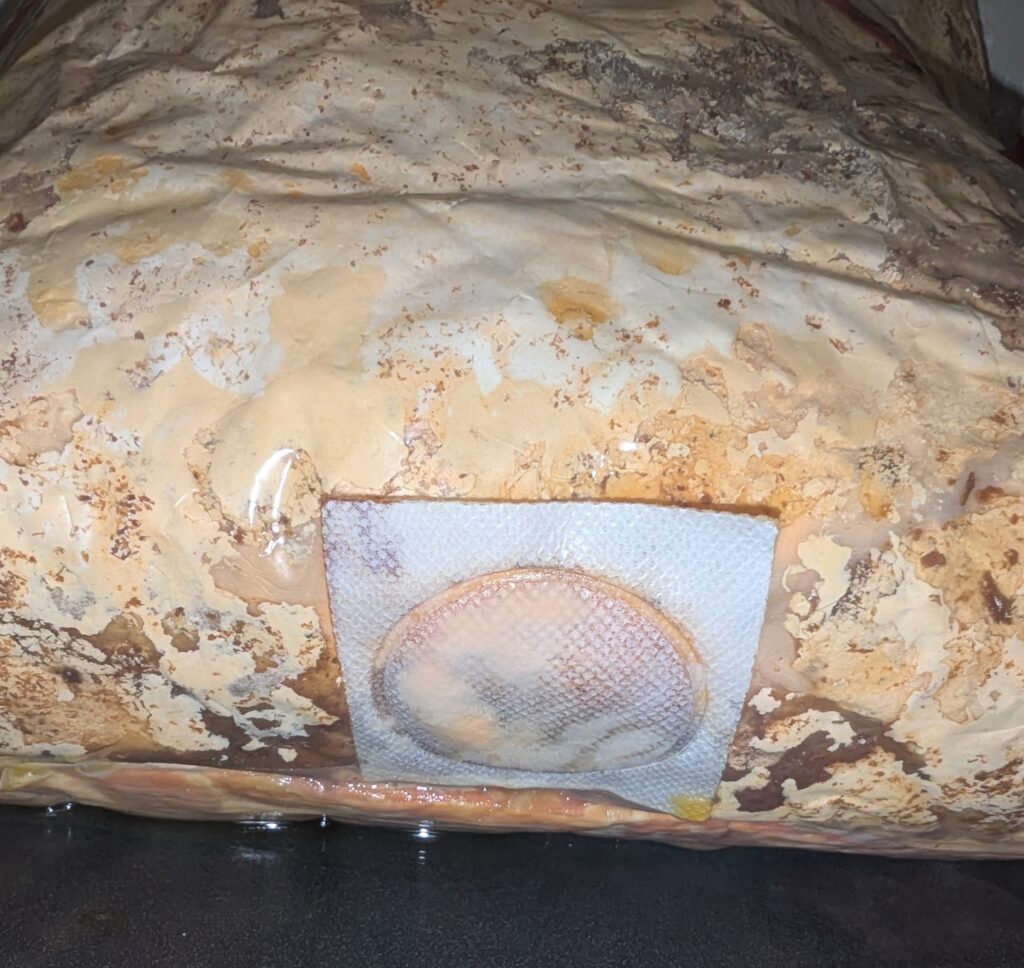
    Well, this is awesome! Despite some setbacks this year, I have a success! My chicken of the woods is forming primordia! As expected, it is growing straight through the filter patch. This is WONDERFUL news! We will see if this becomes an entire fruit. In any case, this is going better than I thought for a first attempt. I will have to re-commit myself to mycology! After all, if I expand and bring in others, more will be possible.

    A mushroom grow bag with chicken of the woods beginning to fruit through the filter patch

    A mushroom grow bag with chicken of the woods beginning to fruit through the filter patch. The small patches growing through are the primordia.

  • Chicken Of The Woods Progress

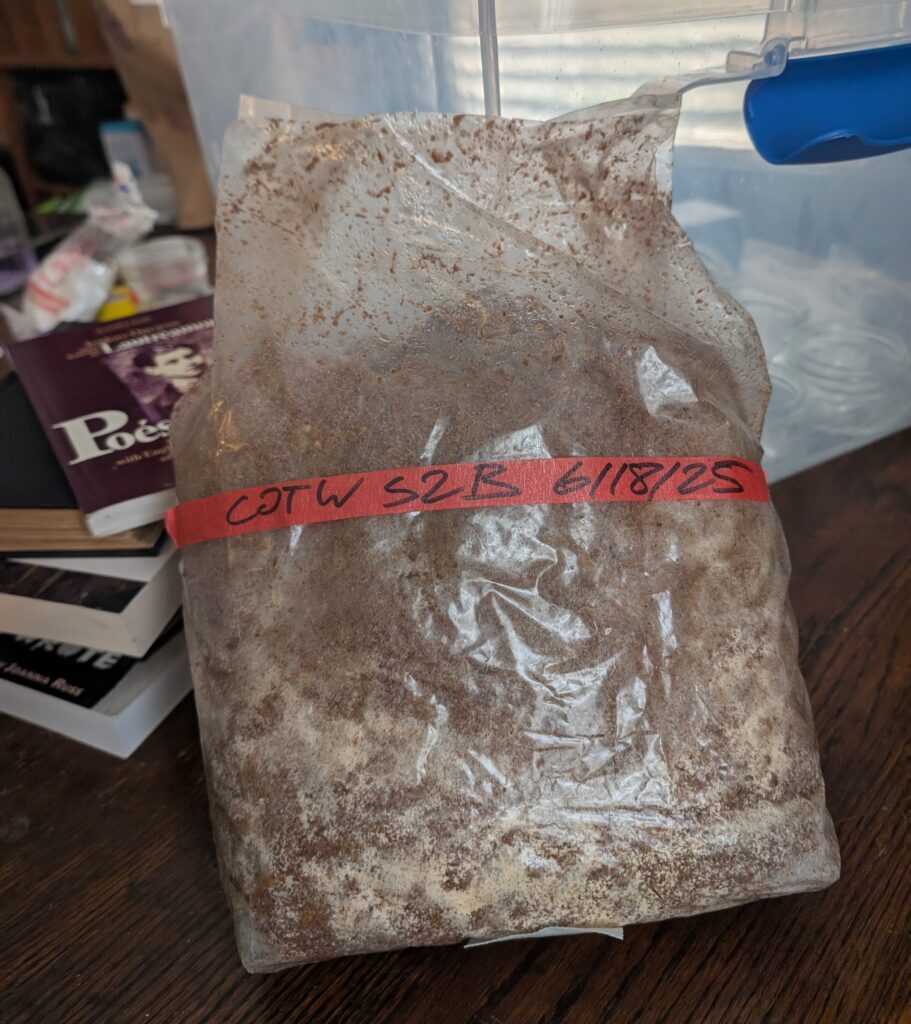
    Chicken of the woods mycelium growing in a bag of sawdust spawn

    In typical fashion, I selected a difficult goal simply because it is interesting and rare. I decided to make chicken of the woods (Laetiporus spp.) my target indoor cultivation species. Chicken of the woods is notoriously difficult to grow, for a few reasons. First of all, it’s a weak competitor. Other species of fungi and microbe easily overtake its growth, so contamination is a major concern. The environment must be perfectly sterile. It is more finnicky about this than many species. Second of all, growers must induce fruiting in order to grow it indoors. This species is most commonly cultivated on outdoor logs with sawdust plug spawn. Growing it indoors poses a real challenge, but growing it outdoors doesn’t generally produce consistent, commercially viable yields throughout the year. Finally, the mycelium is incredibly powdery and has a weak structure. This can often cause the fruiting body to snap off from the bag before it reaches maturity. So far, I have successfully used liquid culture to inoculate corn grain spawn with Laetiporus mycelium and spawned to bulk sawdust substrate in a grow bag. The mycelium is very powdery, and looks like pale orange sugar. I have a couple different genotypes in my library.

    Chicken of the woods mycelium growing on corn grain spawn

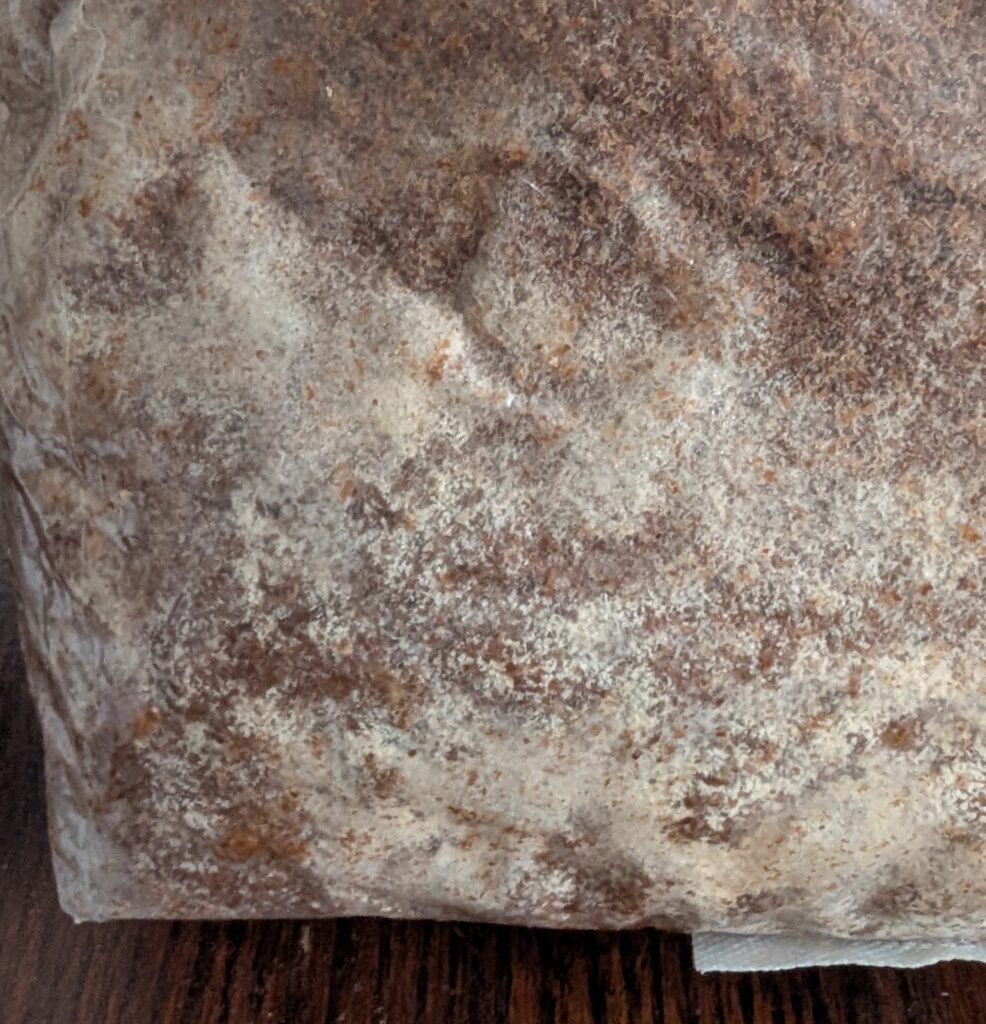
    Closeup of the mycelial growth in the sawdust substrate grow bag. Notice how powdery it is.

  • Carnivorous Plant Tissue Culture Experiments

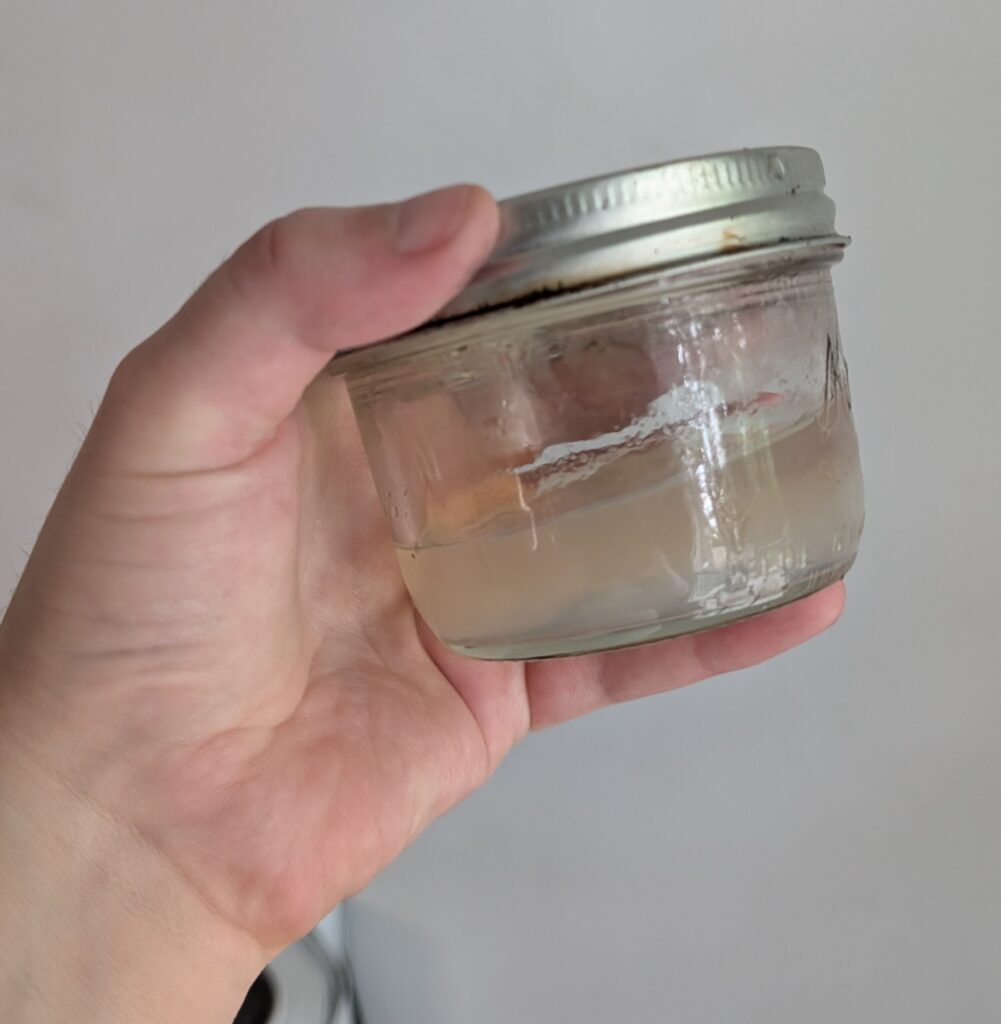
    Plant tissue culture agar jar for growing carnivorous plants

    Above: Tissue culture agar for plants in a normal 8oz wide mouth ball jar

    Anger Tissues (n): The rage of learning plant tissue culture

    Did you know that you can copy + paste a plant using seaweed jello? It’s called “plant tissue culture!” It’s awesome, but difficult.

    I found tissue culture instructions online, but none mention the tricky little details. Mexican Pinguicula, or “butterworts” are also picky plants that need their own procedures. The hardest parts were fighting my brain fog, and using the correct type of lid. It took me four tries to get usable agar in mason jars. I have some mycology agar experience, but I always used pre-made potato dextrose agar. The instructions for that said to sterilize and then pour. Store-bought is more expensive than making your own, and the recipe is not for plant tissue culture.

    I worried about the breathability of normal mason jar lids. I punched holes in some lids and covered with micropore tape, a form of breathable tape. Water always entered the jars. Tinfoil covers did nothing. I made the agar containers with a SOLID lid, prepared breathable lids, then switched from solid to breathable. I absolutely must use a timer during every step so I do not forget I have something cooking. Even then, most of my agar turned out slanted because of the jars cooling in the cooker while floating! One exploded for unknown reasons. Nonetheless, I am focusing on my relief and joy at having usable agar.

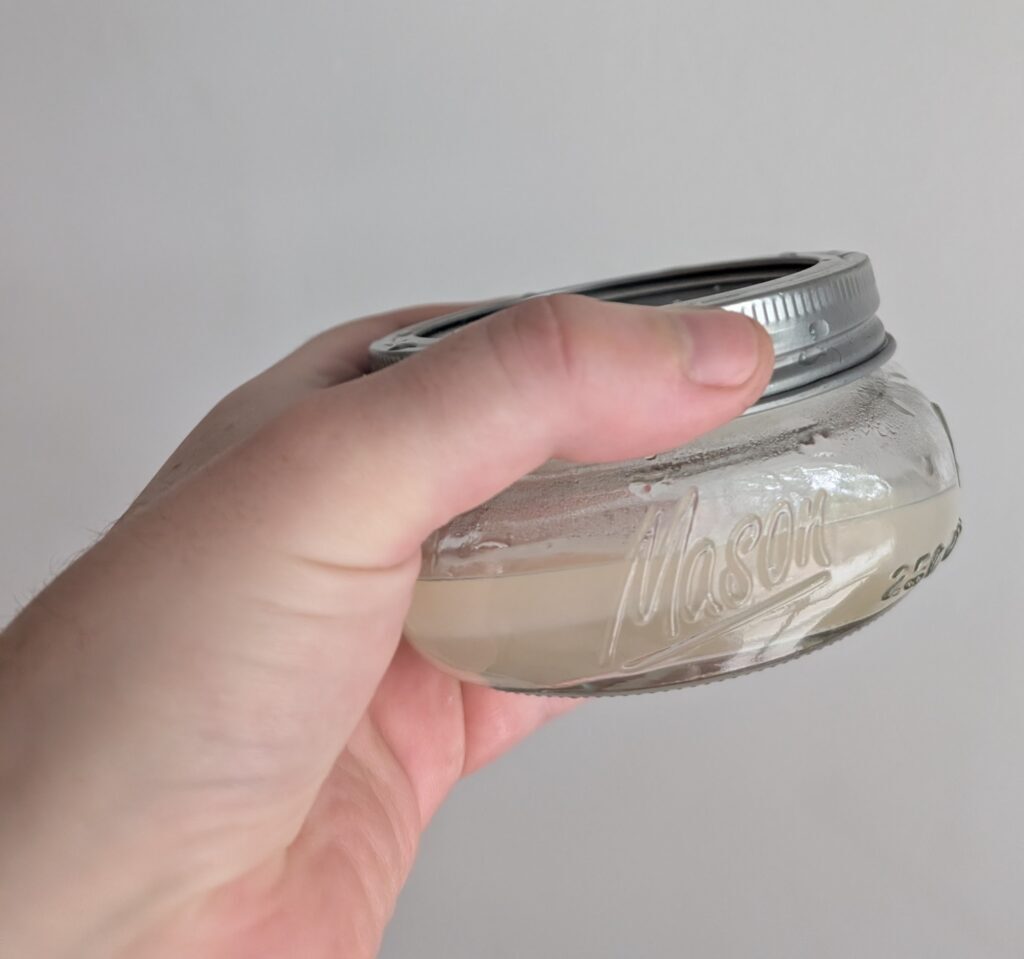
    Potato starch dextrose agar jar for growing mushrooms

    Above: Potato starch dextrose agar for mushrooms in a flat 8oz wide mouth ball jar