Choices in Garden Design
This winter, I designed an annuals garden for a client. This spring, a small crew helped us bring that design to life. We turned compost, coco coir, cardboard, and oyster mushroom spawn into two square garden beds with nine mounds each. We chose to build soil instead of digging a bed. In a previous post, I discussed how no-till techniques benefit the soil (Byrne, 2026).
We dedicated one bed to corn, squash and beans, and the other mainly to solanaceous (tomato family) crops. Both beds have oyster mushrooms. Intercropping, or growing multiple crops together at the same time, improves garden performance when done well (Byrne, 2026).
I selected heirloom vegetable varieties for this garden design. My main criteria for recommendation are disease resistance, local adaptation, and days to harvest. I select varieties that can grow well together for intercropping.
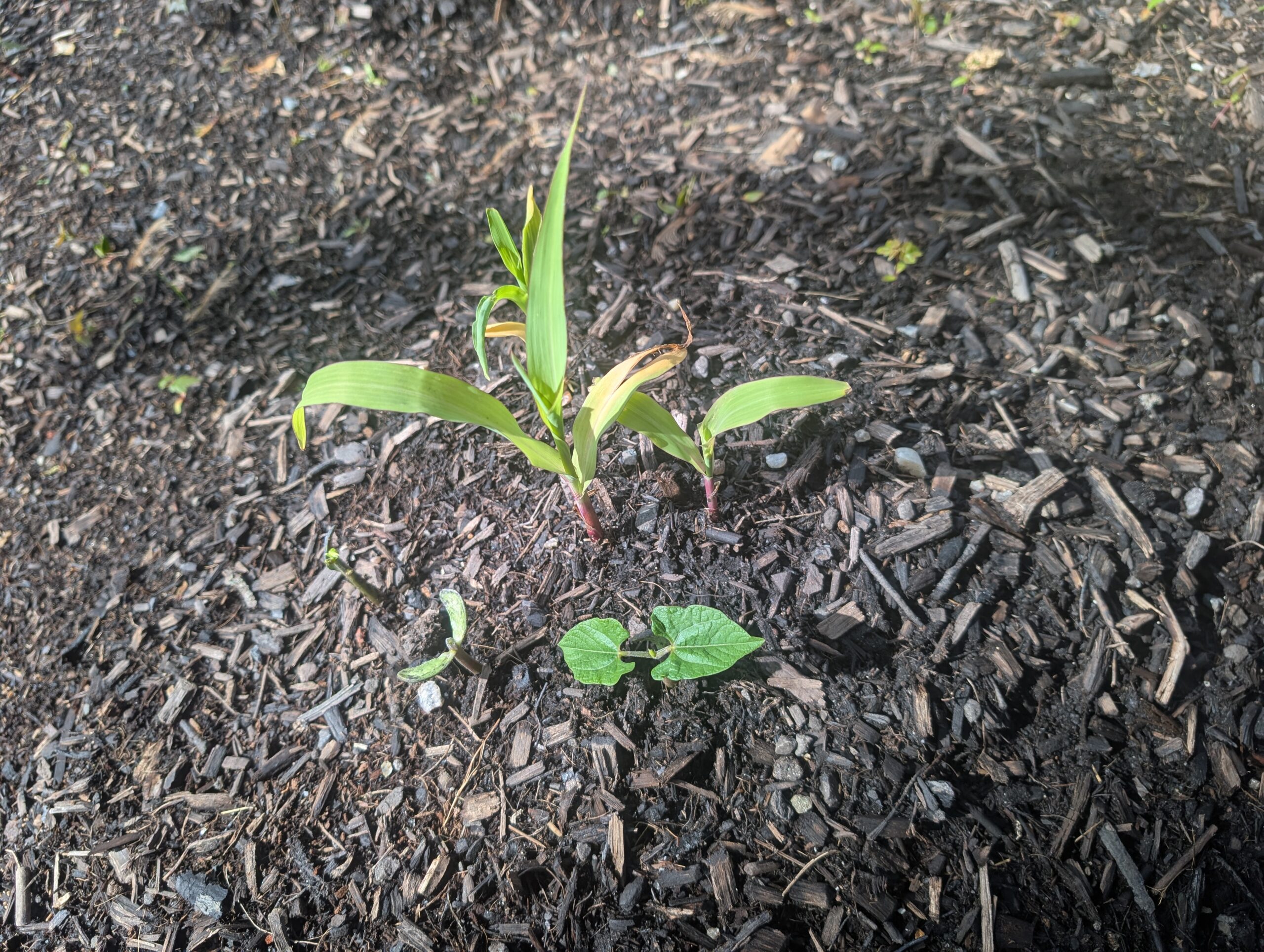
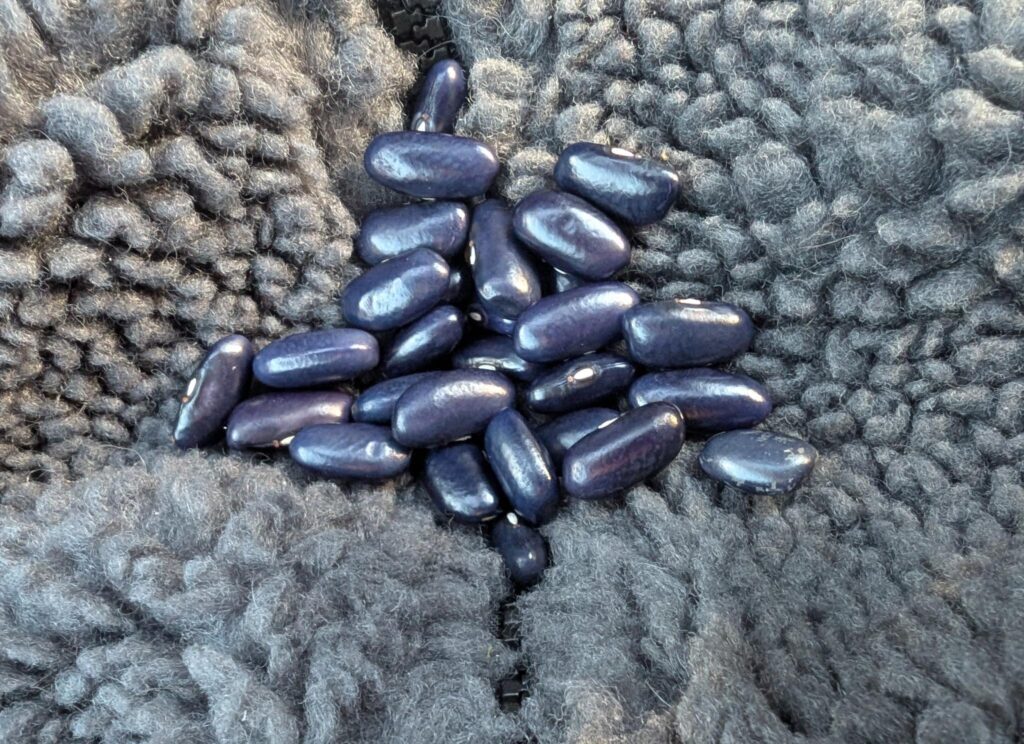
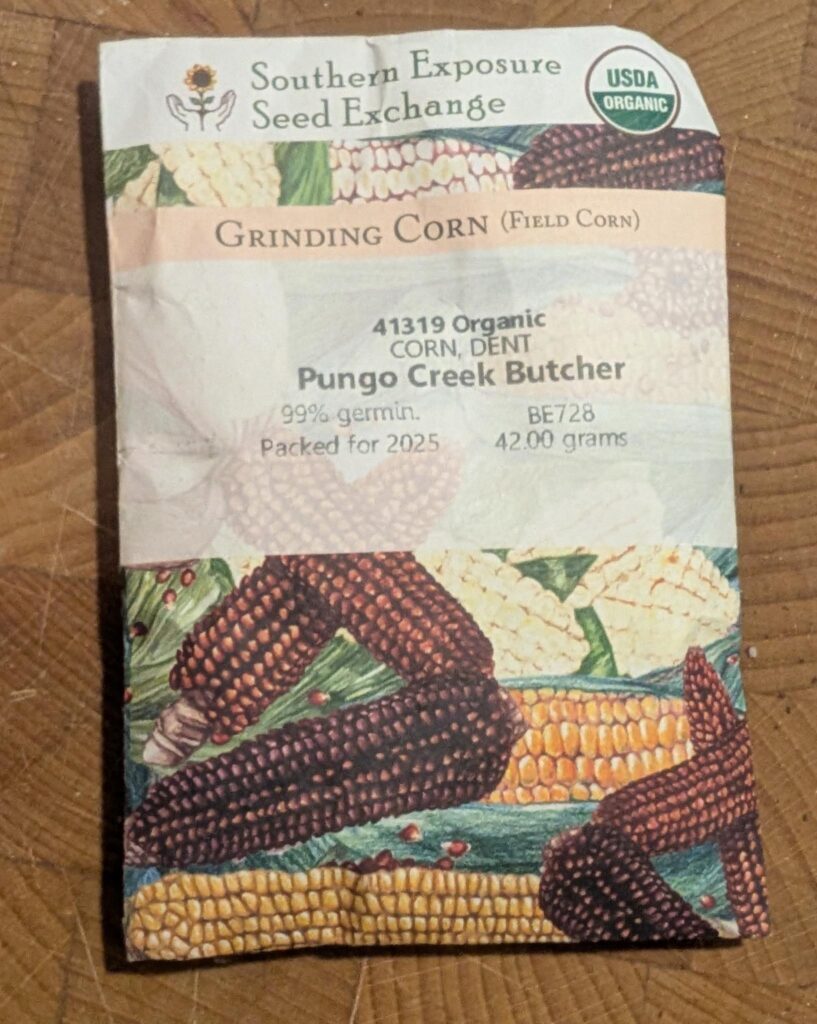
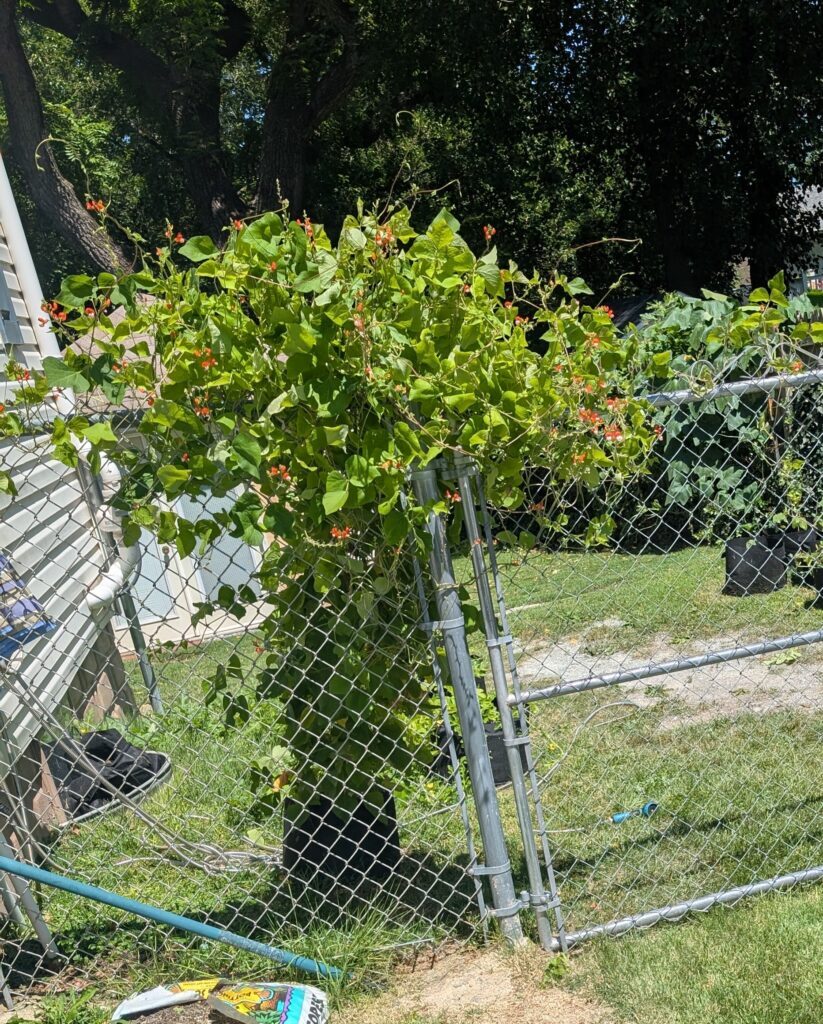
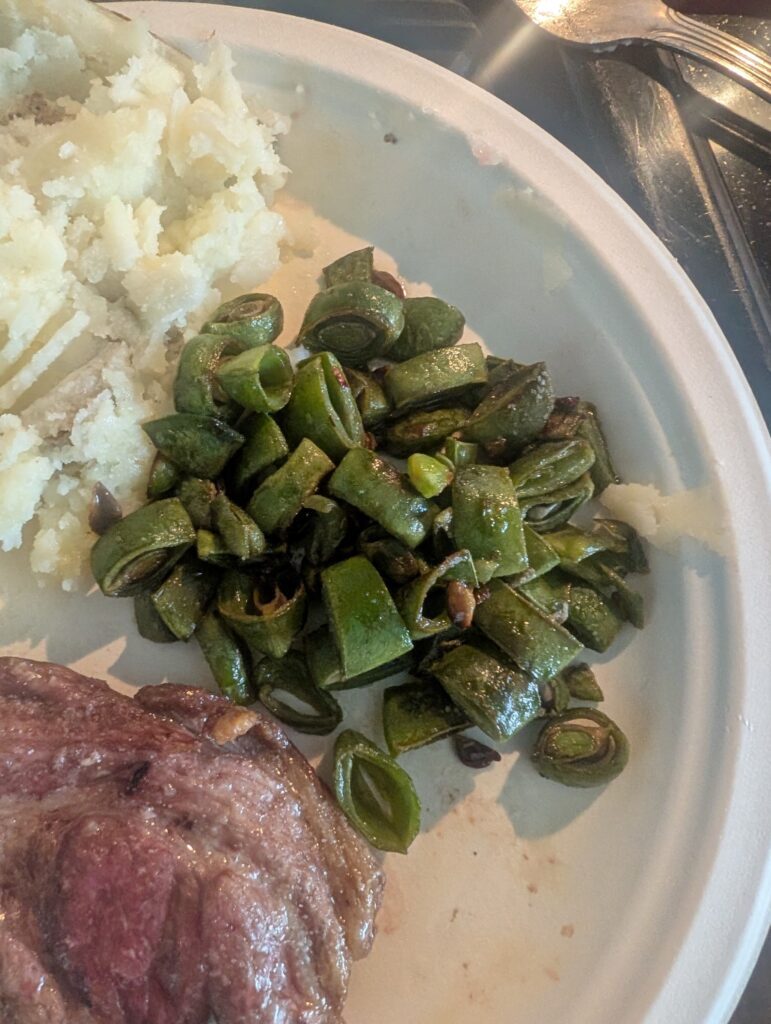
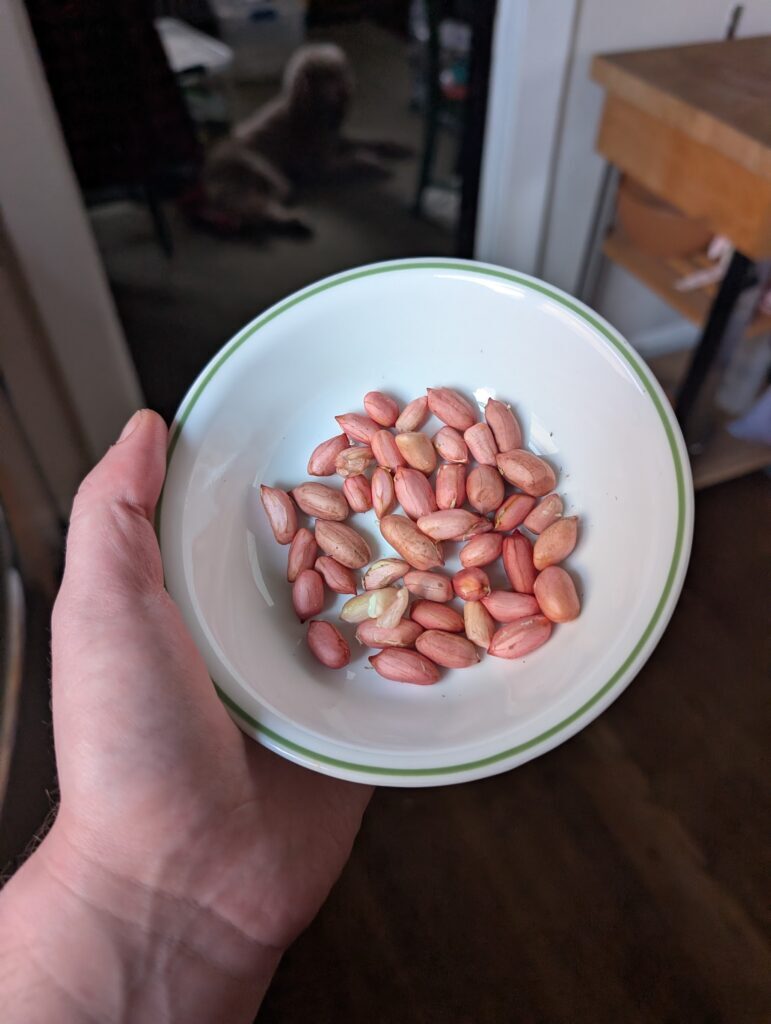
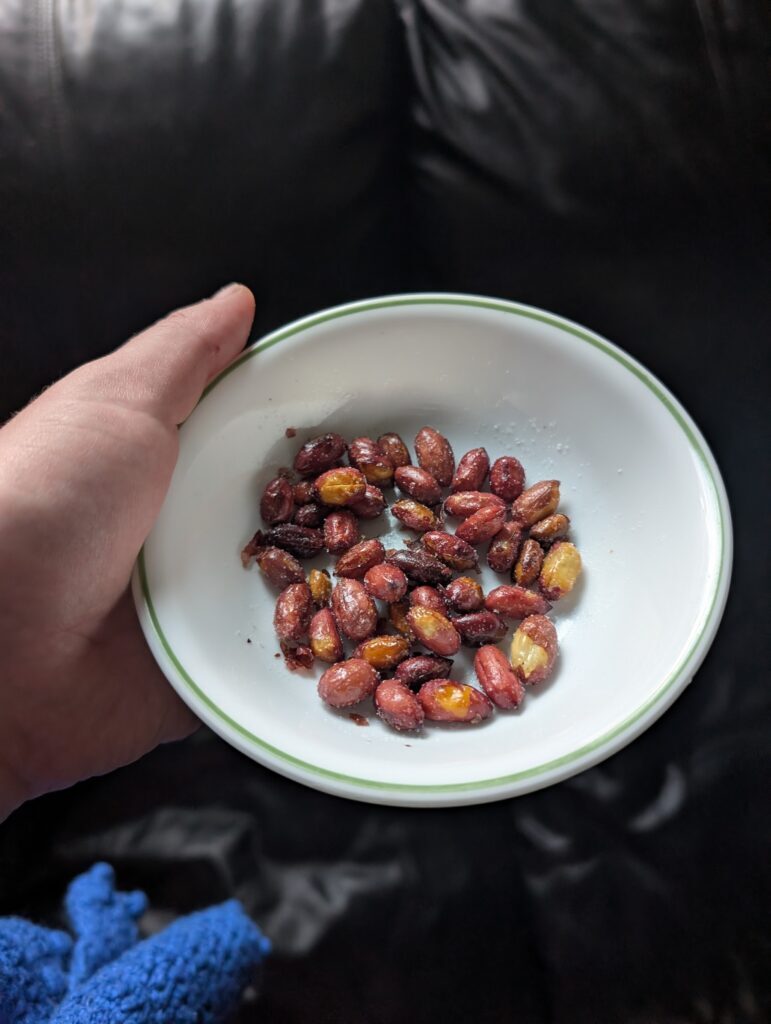
For example, I selected Pungo Creek butcher dent corn and Sacre Bleu pole beans (see picture above). Farmers in Eastern Shore Virginia have been growing Pungo Creek corn for about 165 years (Southern Exposure Seed Exchange, 2026). It grows tall, sturdy stalks. This will help it support Sacre Bleu pole bean vines. Lisa Bloodnick developed this disease and moisture tolerant bean in Apalachin, New York (Experimental Farm Network, 2026). We are a few states south, but appreciate a bean that doesn’t mind the east coast rain.
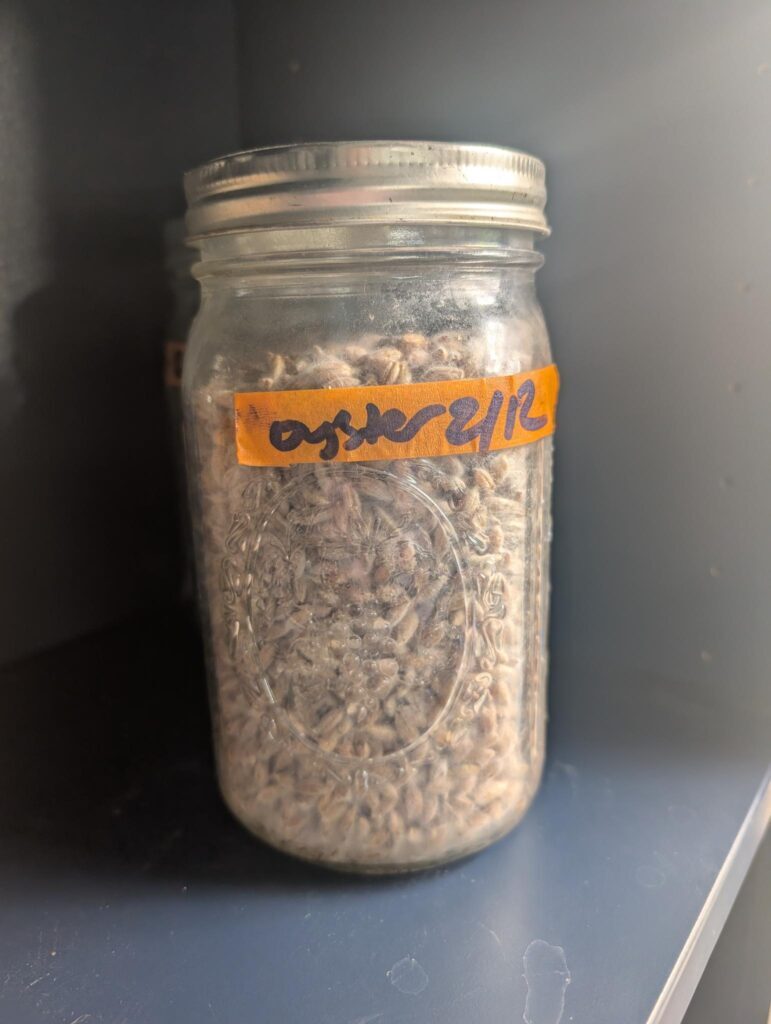
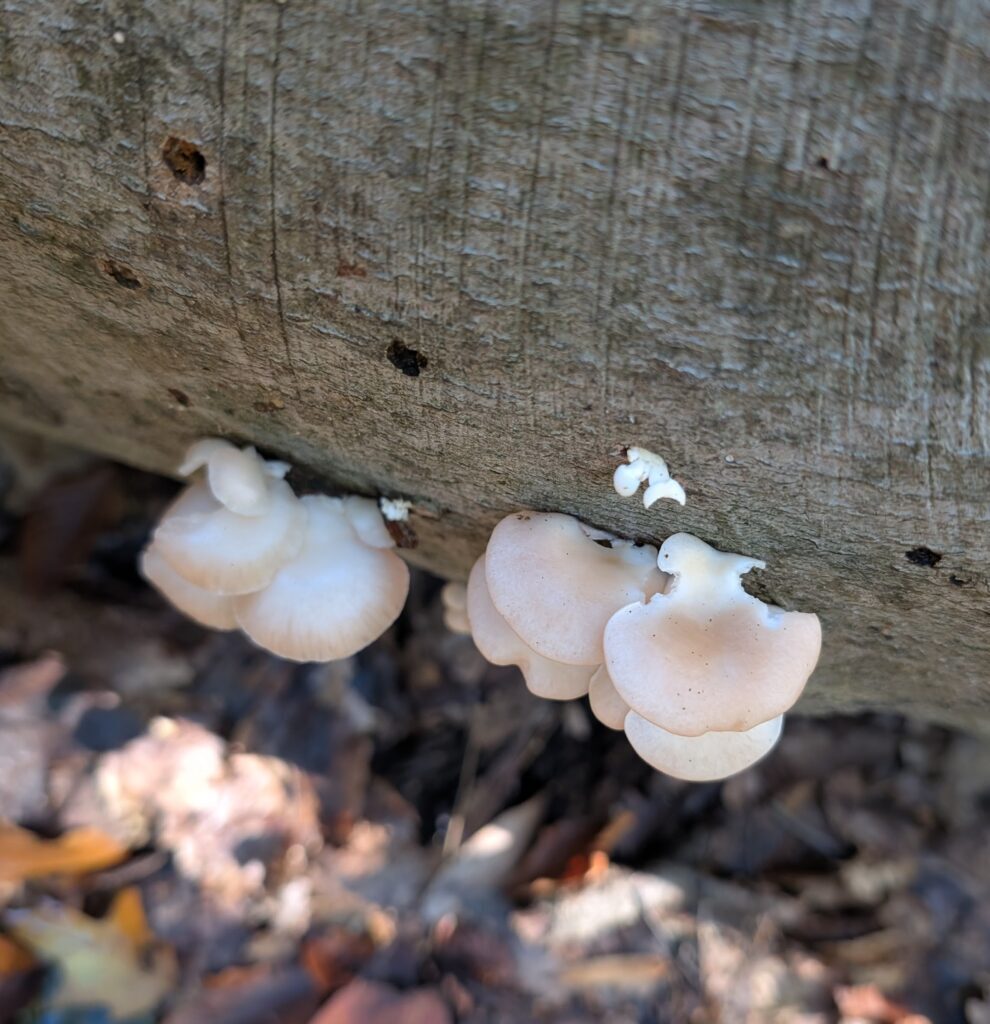
I put similar thought into the mushrooms I selected. I chose Phoenix oysters (Pleurotus pulmonarius) because they grow here naturally and do well in garden beds (North Spore, 2026; Wikipedia, 2026). We installed the garden beds using layers of cardboard and compost mixed with oyster mushroom sawdust spawn.
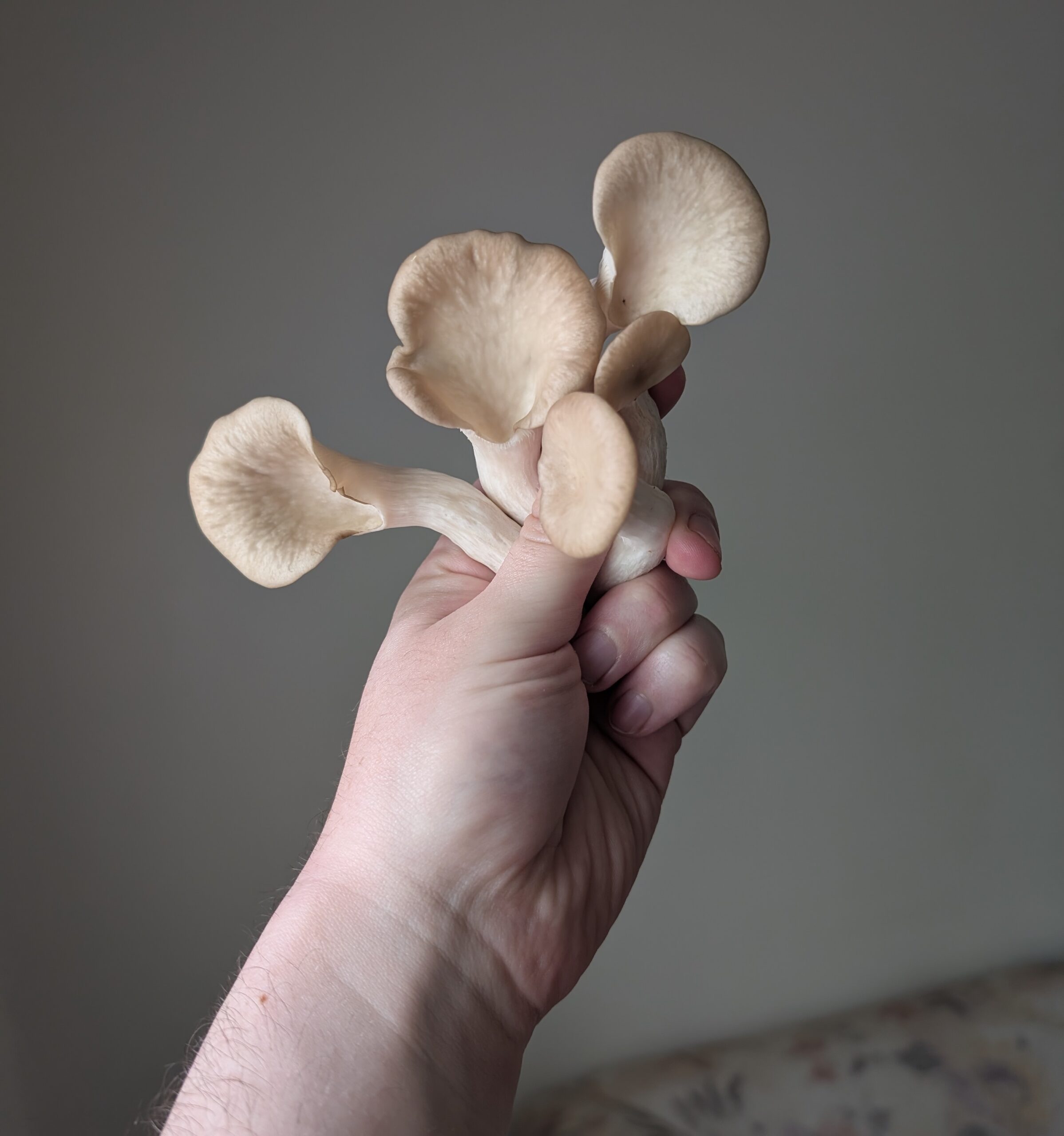
Early results: looking good!
The mycelium is hard at work eating up the cardboard. When I disturb the earth a little, I see and smell the mycelium. It smells like the best “clean linen” candle ever. The mushrooms will emerge from it later in the summer.
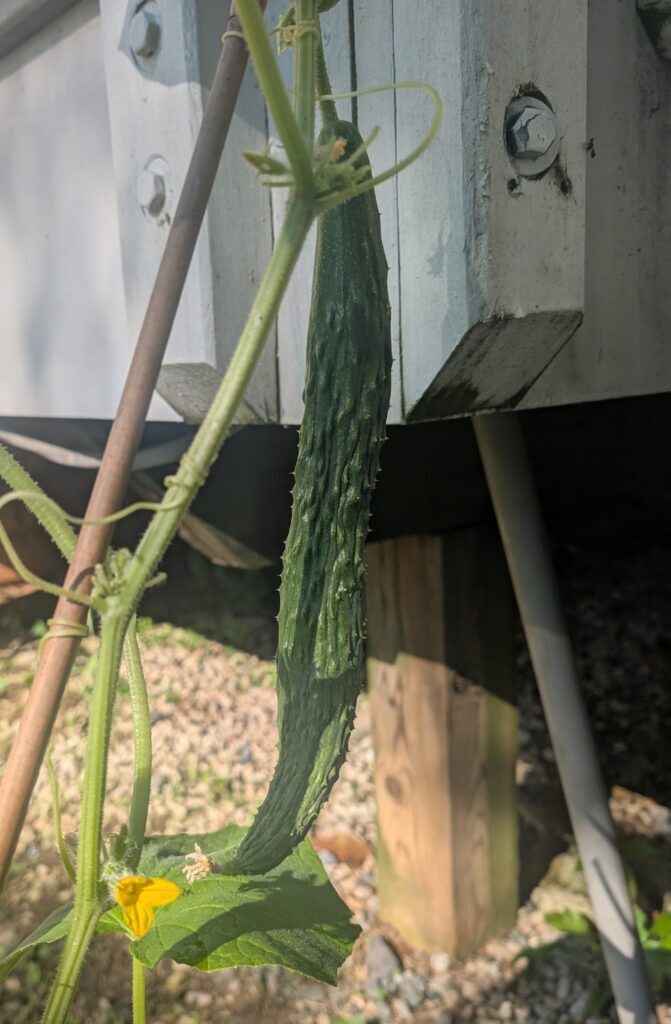
Right now, corn, melon, squash, and bean seedlings dot the milpa garden hills. The corn takes the center, with the beans close by, and the cucurbit crops on the slope of the hill. The solanaceous crop bed is giving us more of a challenge. Rabbits LOVE pepper and tomato seedlings! Not a single pepper or tomato survived, but the potatoes did.
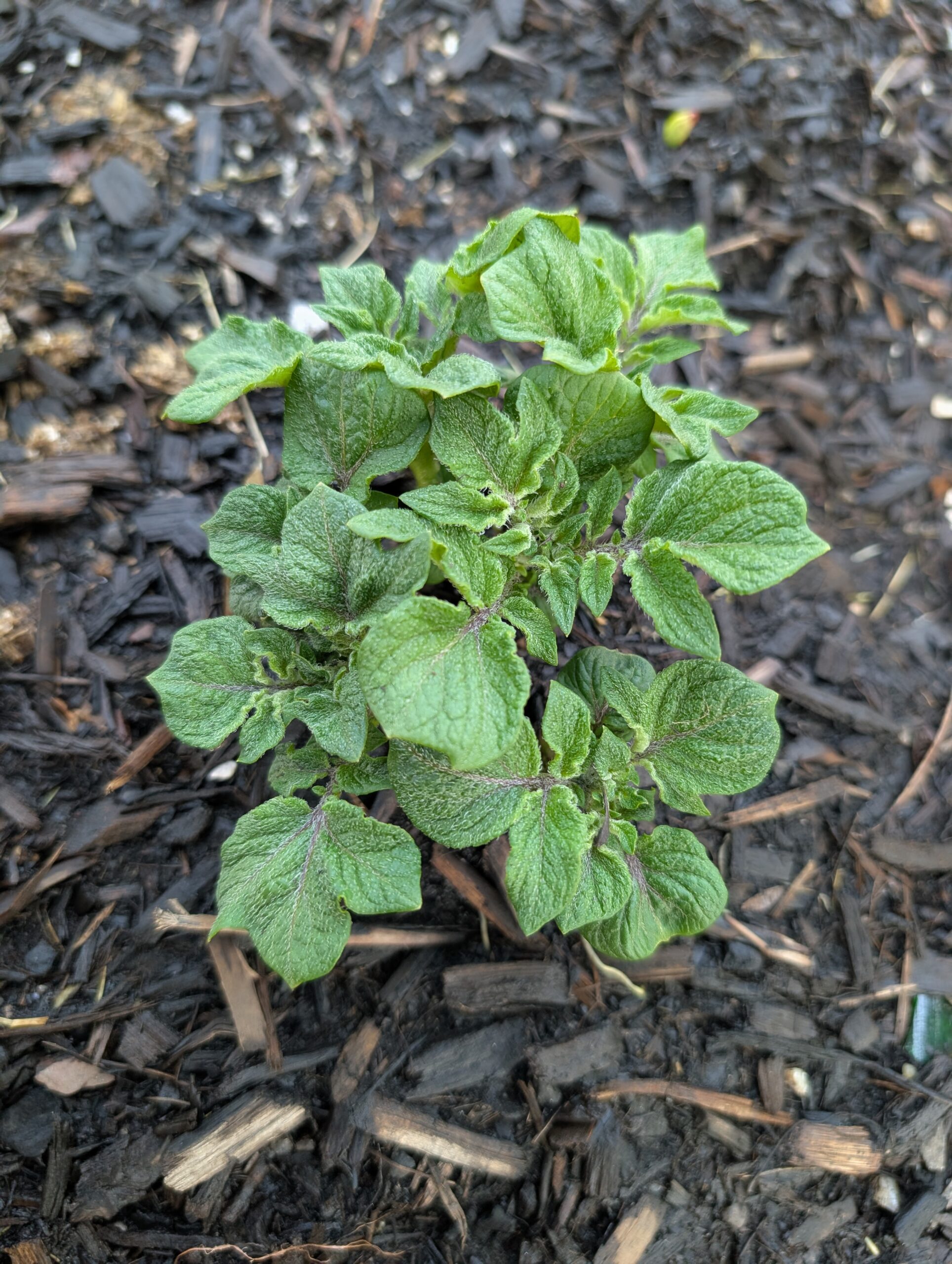
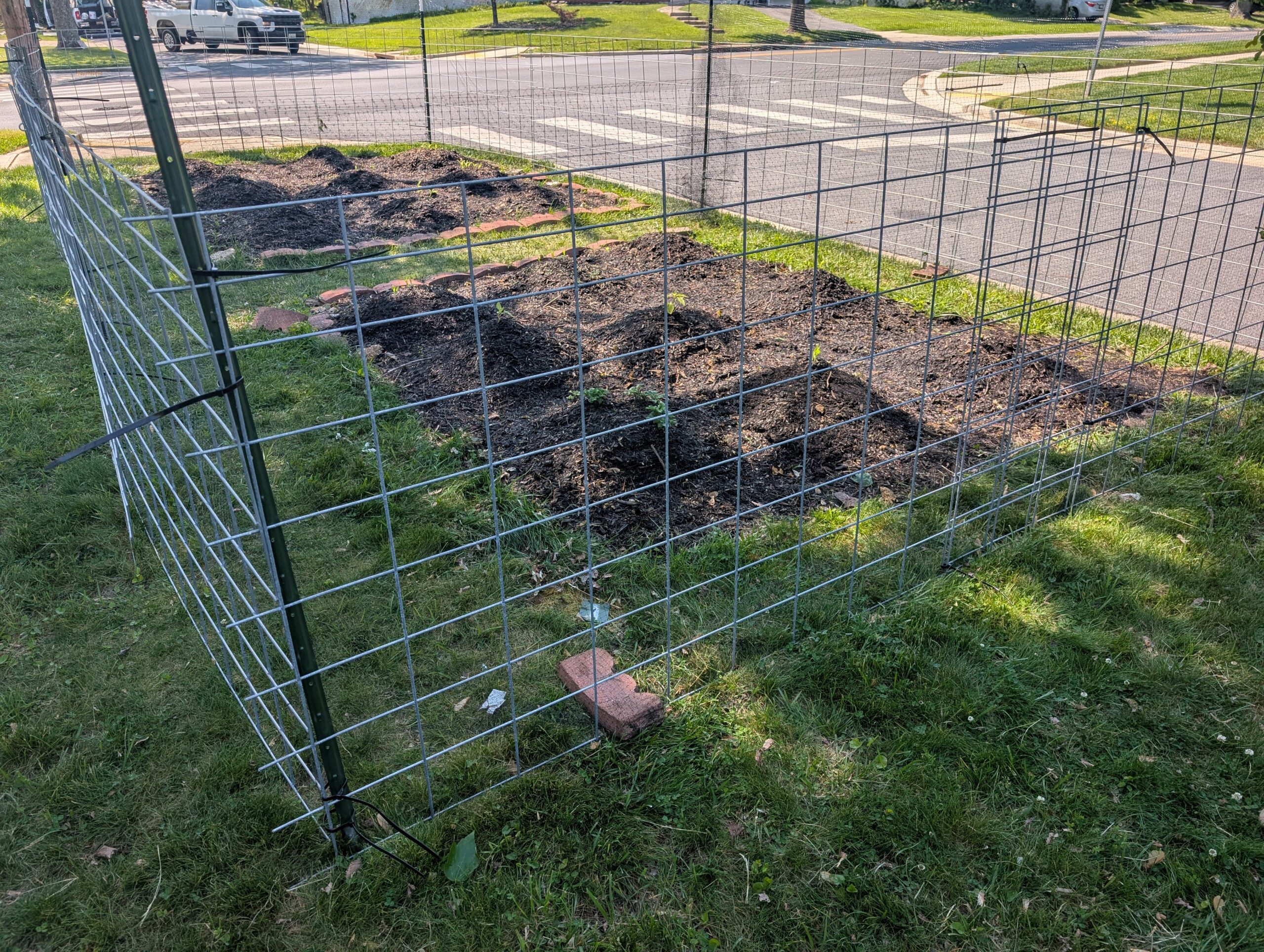
Going forward, I will include fences in my designs with annual crop beds. We installed a fence with chicken wire, and re-planted the barren hills. It was too late in the season for more peppers or tomatoes, so we planted a little extra corn, herbs, radishes, turnips, and greens. Neighbors are stopping by to admire the yard. Everybody loves how this garden design is turning out!
Abundance is possible when you appreciate interdependence, and roll with the changes nature throws at you! Happy spring, everyone!
Bibliography
Byrne, M. (2026, February 25). Eco landscapes: winter schemes for spring dreams! laueanagrowing.net. https://rainbowbranch.com/ecolandscape/
Experimental Farm Network. 2026. ‘Sacre Bleu’ Bean. https://store.experimentalfarmnetwork.org/products/sacre-bleu-bean
North Spore. 2026. How to Make Outdoor Mushroom Beds. https://northspore.com/pages/outdoor-mushroom-beds
Southern Exposure Seed Exchange. 2026. Pungo Creek Butcher Dent Corn, 42 g . https://www.southernexposure.com/products/pungo-creek-butcher-dent-corn/
Wikipedia. 2026. Pleurotus pulmonarius. https://en.wikipedia.org/wiki/Pleurotus_pulmonarius